SOFTWARE ENGINEERING PORTFOLIO
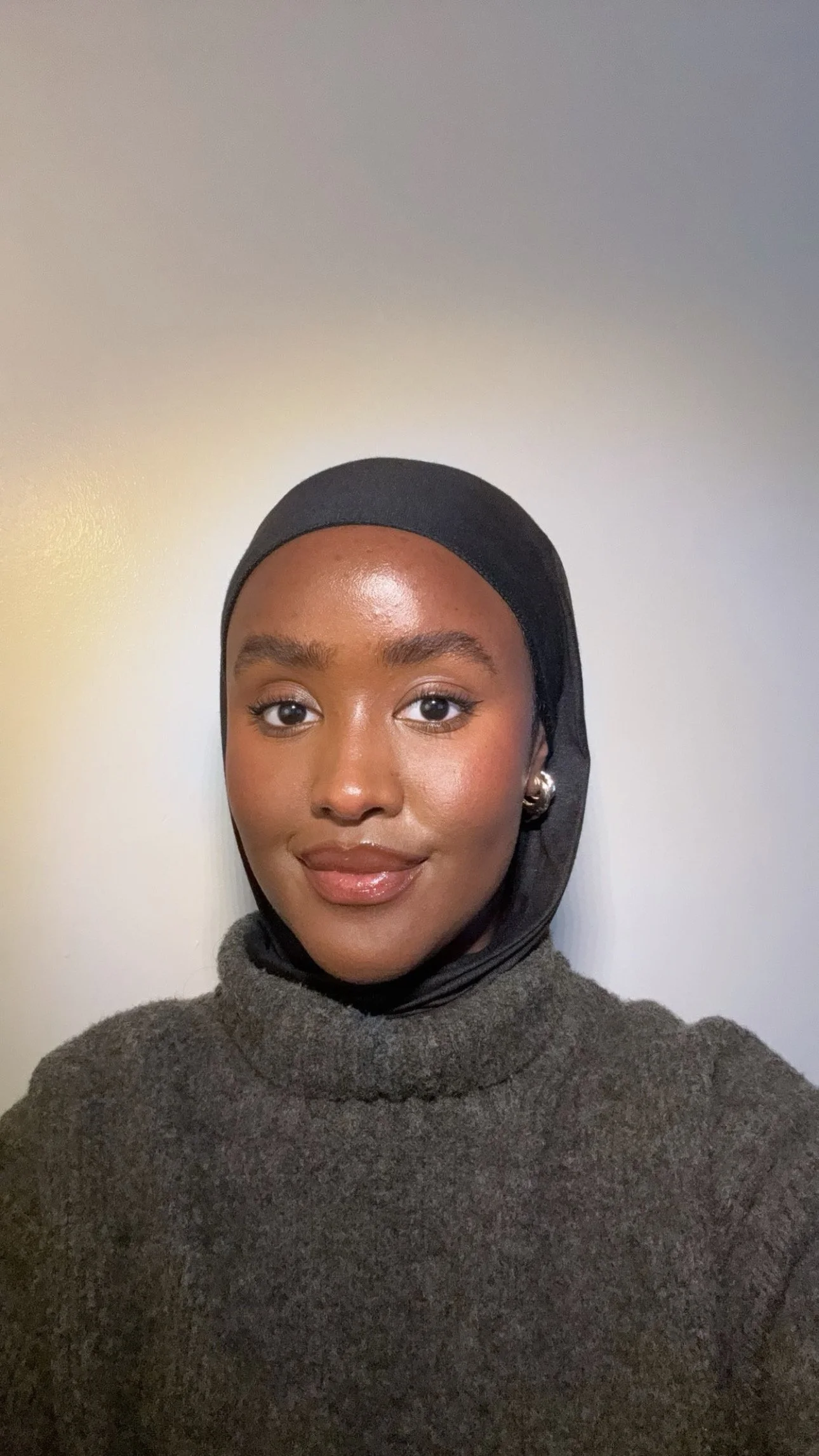
Data Processor at Geoquip Marine, Bristol
Get in touch
Email: husseinasma.ah@gmail.com
Phone: +44 74012454637
GitHub: ahussein-dev
Hi I’m Asma
ABOUT
I’m Asma, an aspiring full stack developer based in Bristol. Welcome to my portfolio, where I share the projects that have shaped my journey through software development, engineering and design.
You'll find a mix of university projects from my MSc Computing degree and personal projects I've built out of curiosity. Together they show the stack I work with and the areas of tech I care about most.
EXPERIENCE
Data Processor, Geoquip Marine June 2025 - Currently• Develop and maintain internal software tools using React, TypeScript, Python and VBA, automating data processing pipelines and building user-facing interfaces to improve throughputand reduce manual effort across the organisation.• Leading development of a drag-and-drop templating canvas as part of a large-scale internalsoftware platform built in React, TypeScript, and React Konva, enabling users to visuallydesign and configure data templates in a Figma-style interface. Contributing to the broaderfrontend codebase as the platform replaces legacy systems across the organisation.• Maintain clear technical documentation, ensuring data quality and operational visibility acrossthe engineering team.Mathematics Tutor, Self Employed Sept 2023 – June 2025• Broke down complex mathematical problems into structured, understandable solutions, applyingthe same logical decomposition skills central to software engineering.• Iterated on teaching approaches based on continuous assessment feedback, demonstrating a test-and-improve mindset analogous to iterative software development.Visual Merchandise/ Sales Assistant, Zara June 2022 – July 2023• Analysed buyer trend data and translated insights into actionable sales strategies, contributing toexceeding UPT and sales targets.• Delivered high-quality work consistently under tight deadlines in a fast-paced, team-orientedenvironment.
TECH STACKS
-
![]()
Python
My main language. I use it for backend development with Flask, data processing and automating repetitive workflows.
-
![]()
JavaScript
Adds interactivity to my web projects and powers my mobile apps through React Native.
EDUCATION-
MSc Computing-
-
I explored the fundamentals of HTML, CSS, and computational problem-solving. This module emphasized the importance of computational thinking not only as a tool for tackling complex computing challenges but also as a guiding principle for managing problem-solving in diverse fields beyond computer science. The assessment for this module involved creating a webpage, showcasing my skills in web development.
-
I mastered core concepts in Python and JavaScript and applied tools like Flask and SQL to develop dynamic web content and integrate data into user interfaces. The first assessment involved tackling coding challenges in both Python and JavaScript, enhancing my ability to switch between languages and deepening my understanding of their unique characteristics. The second assessment expanded my web development skills beyond HTML and CSS, equipping me to create a website where most content is dynamic using data seamlessly pulled from and pushed to a database.
-
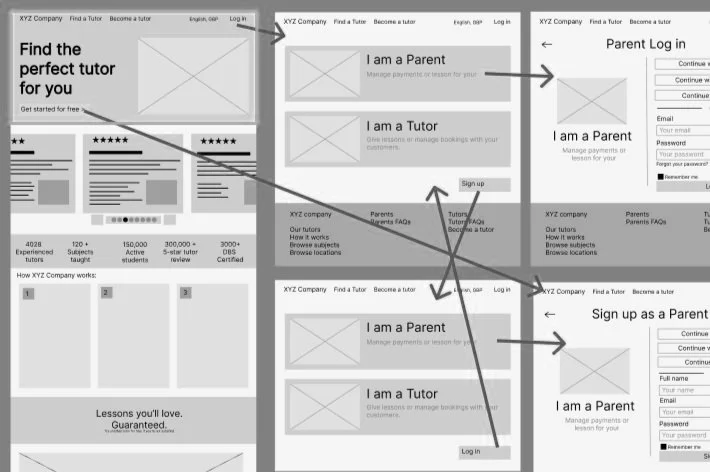
I participated in a group project that closely mirrored the stages of a real-world software engineering process, from early ideation to prototyping. Together, we developed a lean canvas business plan and conducted a risk assessment for an Automated Assessment Tool (AAT), clearly defining the project’s vision and goals. My contributions included formulating use case diagrams and user stories to specify non-functional requirements, as well as creating a low-fidelity prototype and test case. This experience not only deepened my understanding of the software development lifecycle but also helped me build valuable enterprise and teamwork skills.
-
I chose this module to deepen my understanding of UX principles. In this module, I iteratively redesigned Microsoft Office’s Automatic Replies feature, applying key UX principles and adhering to brand visual guidelines. I conducted a usability evaluation using Heuristic Evaluation to assess and improve user experience. Additionally, I collaborated in designing a human-centric experiment to examine how different text entry methods affect entry speed. I performed statistical analysis on a dataset derived from a user study. This module sharpened my skills in user-centred design and data-driven UX assessment.
-
I learned core concepts in Java, with a strong emphasis on object-oriented programming principles. This module deepened my understanding of algorithm efficiency and data structuring, allowing me to implement and optimize sorting algorithms. I explored techniques such as Quicksort, hybrid algorithms, and efficiency testing, which involved performance testing across different data states (sorted, unsorted, and reverse-sorted). Through these projects, I gained practical skills in creating and refining algorithms to achieve optimal performance across diverse scenarios.
-
I developed a range of approaches, methods, tools, and techniques essential for conducting efficient and effective research in Computer Science. This module enhanced my ability to critically evaluate resources, select appropriate research methodologies, and apply technical tools to address complex questions within the field.
-
For my dissertation, I am developing an app focused on enhancing user accessibility in dietary planning. This high-fidelity digital prototype enables users to scan food items and receive tailored information based on individual dietary needs, creating a personalized experience that aligns with health goals and restrictions. This project integrates my skills in user-centred design, data analysis, and responsive interface development, reflecting my commitment to using technology to address real-world health and accessibility challenges.
Projects


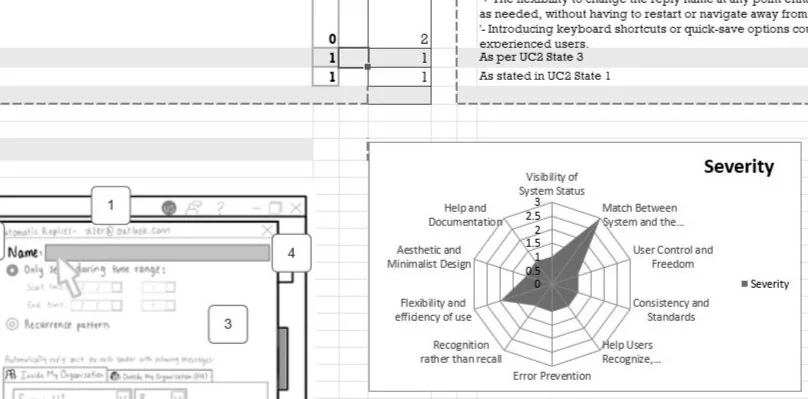
UX RESEARCH
rEDESIGNING FEATURES
Automated Assessment Tool
GOOGLE AND COURSERA UX Design